


Ana
Ana is a Southern stay-at-home mom of three who bakes the way most people breathe — constantly, naturally, without making a fuss about it. She shows up at new neighbors’ doors with a tin of cookies before the boxes are even unpacked, and she has never once come home from a potluck with anything left in her dish. She Brings Food is where she puts the recipes her family counts on and her neighbors keep asking for.




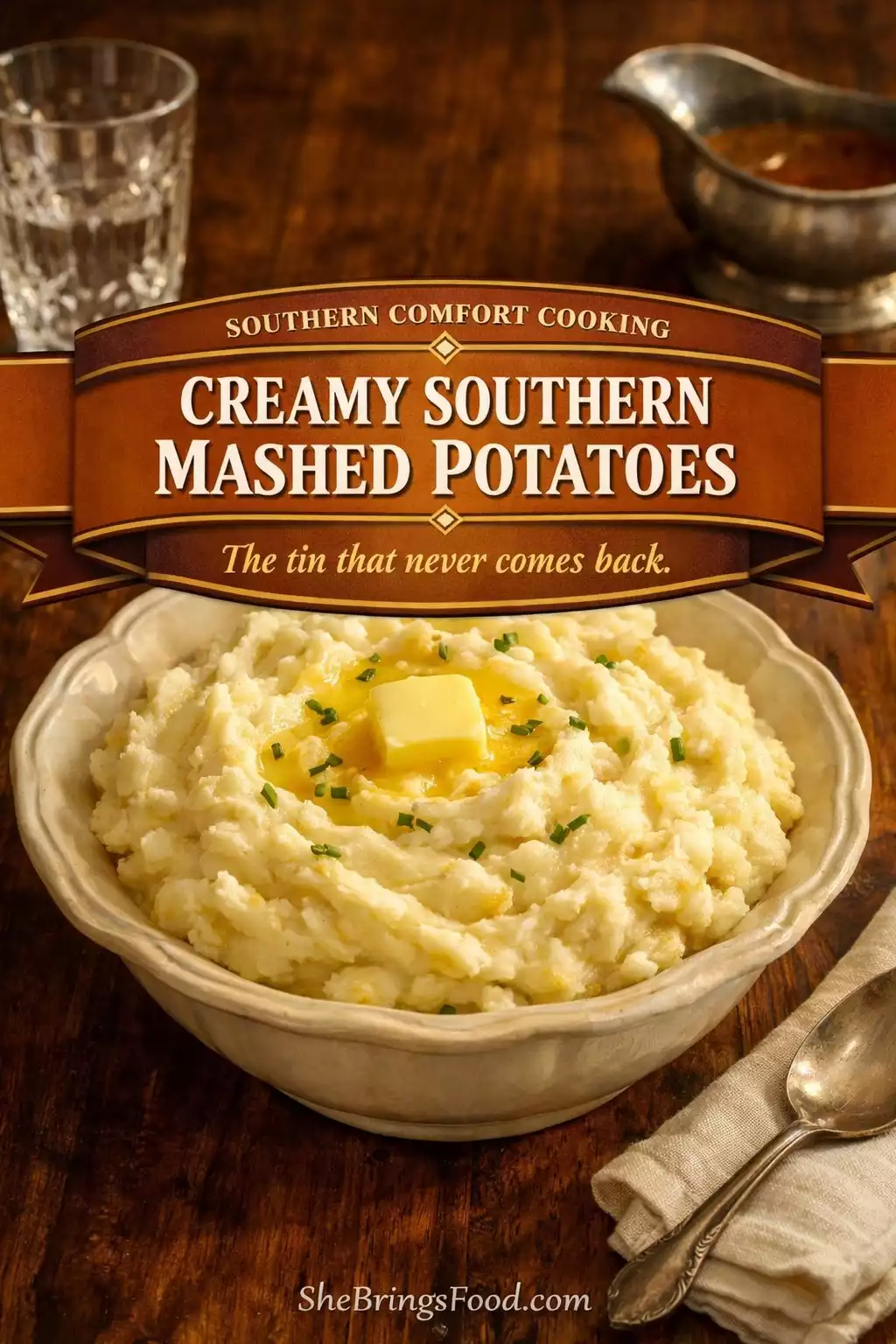
Creamy Southern Mashed Potatoes
There is a point at which mashed potatoes cross from a side dish into the reason for the meal. My family passed that point years ago. The roast chicken is technically the main event. The mashed potatoes are what everyone is actually looking forward to. I stopped pretending otherwise.
Butter first, then more butter — that’s the philosophy behind creamy mashed potatoes that my family requests at every holiday and most Sundays. Yukon gold potatoes, a full stick of real butter, warm cream, and the patience to do this right. The result is the best mashed potatoes you’ve had — not because the ingredients are fancy, but because the ratios are right and every step is done with intention.
Southern mashed potatoes aren’t complicated. They’re careful. There’s no shortcut that produces the same result as proper warm cream, real butter, and Yukon gold potatoes mashed to just the right texture. This recipe is how I’ve made them for years, and it’s the dish my kids ask about when they think about home cooking as they get older.
Homemade mashed potatoes like these don’t require a special occasion. They make any occasion feel special. Sunday chicken, holiday turkey, a Tuesday that needs improving — these mashed potatoes make every plate better.
Why This Recipe Works
Yukon gold potatoes are the correct choice for creamy mashed potatoes. They have a naturally buttery flavor, a medium starch content that mashes smoothly without getting gluey, and a golden color that looks beautiful in the bowl. Russets produce a fluffier but drier mash that needs more cream to achieve the same creaminess. Red potatoes are too waxy and don’t mash as smoothly. Yukons are the answer.
Warm cream and softened butter — not cold, not straight from the refrigerator — is the other non-negotiable. Cold cream cools the potatoes and makes them seize. Warm cream absorbs smoothly and the potatoes stay hot and supple as you work them. The butter goes in before the cream, because fat-coated starch granules absorb dairy more evenly. That sequence matters. These are the creamy mashed potatoes people request because of everything that goes into getting them right.
Ingredients
For the Mashed Potatoes
- 3 lbs Yukon gold potatoes, peeled and cut into 1-inch pieces
- ¾ cup (1½ sticks) unsalted butter, softened
- ¾–1 cup heavy cream or whole milk, warmed
- 1½ teaspoons salt (plus more for the cooking water)
- ¼ teaspoon white pepper (or black pepper)
- Fresh chives or parsley for garnish (optional)
How to Make It
1
1 Boil the potatoes
Cover potato pieces with cold salted water — generously salted, like pasta water. Bring to a boil and cook 15–18 minutes until very tender. A fork should slide through without resistance. Drain well. Return the pot to the burner over low heat for 1 minute to steam off any remaining water. Dry potatoes mash creamier.
2
2 Add the butter
Add softened butter to the hot potatoes and mash until the butter is fully incorporated. Use a potato masher or a ricer — not a stand mixer or food processor, which overworks the starch and makes potatoes gluey. Mash until smooth, then stop.
3
3 Add warm cream
Pour in warm cream a little at a time, folding it in after each addition. Add only as much cream as the potatoes will absorb while staying the texture you want — some batches need more, some less depending on the potatoes. Season with salt and pepper. Taste and adjust.
4
4 Serve immediately or keep warm
Serve right away with a pat of butter on top, or keep warm in a covered pot set over the lowest heat, stirring occasionally. They hold for 30 minutes this way without losing quality. Add a small splash of warm cream if they tighten up.
Things I’ve Learned From Making This Too Many Times to Count
Warm everything. Warm cream, softened butter, warm bowl if you’re serving from it. Cold ingredients hitting hot potatoes cool them down and make them sticky. Every element that touches the potatoes should be warm or at room temperature.
Don’t overwork them. Mash until smooth and stop. Every additional stir after the potatoes are smooth releases more starch and makes them gluey. This is the thing I had to learn the hard way in my own kitchen. Mash, stop, serve.
Salt the cooking water. The potatoes absorb salt as they cook, which seasons them from the inside. Water that tastes pleasantly salty — like light ocean water — produces properly seasoned potatoes. Unsalted water produces potatoes that taste flat no matter how much you add at the end.
Steam off the water after draining. After draining, return the pot to the burner over low heat for 60 seconds with the lid off. The remaining water steams off and you’re left with drier potatoes that absorb the butter and cream more effectively. A small step that makes a real difference.
Taste before serving. Always. The salt and butter balance can shift depending on the batch of potatoes. Taste and adjust just before serving — a pinch more salt or a small additional knob of butter can make a significant difference in the final result.
Use a ricer for the smoothest result. A potato ricer produces a silkier mash than a hand masher. If you make mashed potatoes regularly and care about the texture, it’s worth owning one. For everyday mashed potatoes, a good masher is perfectly fine.
What to Serve With Creamy Southern Mashed Potatoes
These belong next to green bean casserole, roast chicken, pot roast, and gravy. They’re the natural partner for anything that produces pan juices worth pouring over something. Turkey, pork loin, meatloaf, braised short ribs — these mashed potatoes belong underneath all of it.
For holiday tables, this is the dish that holds the whole plate together. Everything else gets arranged around the mashed potatoes at my family’s table — that’s how much they matter. Serve them in the largest bowl you have, with a pool of butter melting in the center, and watch what happens when they hit the table.
Variations Worth Trying
Garlic mashed potatoes: Roast a full head of garlic at 400°F for 40 minutes, squeeze out the cloves, and mash them into the potatoes with the butter. Rich, sweet, deeply savory — a natural upgrade that never disappoints.
With cream cheese: Add 4 oz softened cream cheese along with the butter. The cream cheese adds richness and a slight tang that makes the mashed potatoes even more luxurious. My husband’s preference and a fixture at every holiday table we host.
With sour cream: Substitute ¼ cup of the cream with sour cream. Adds tang and extra richness. Pairs particularly well with roasted or braised meats that have a rich sauce.
With chives and cheddar: Stir in ½ cup shredded sharp cheddar and 2 tablespoons sliced fresh chives at the end. Loaded mashed potatoes without the baked potato presentation. Make it your own, sugar.
Storage and Reheating
Cover and refrigerate for up to 4 days. Reheat in a saucepan over low heat, adding a splash of cream or milk to loosen them as they warm. Stir frequently to prevent sticking. They can also be reheated in the microwave at 70% power, stirring every minute, with a small pat of butter added.
Mashed potatoes freeze surprisingly well. Portion into airtight containers and freeze for up to 2 months. Thaw overnight in the refrigerator and reheat as above, adding extra cream and butter to restore the texture. The result is very good — not quite as fresh as made-that-day, but excellent for what it is.
FAQ
Why are my mashed potatoes gluey?
Over-mashing releases too much starch and makes potatoes gluey and paste-like. Use a ricer or hand masher (not a stand mixer or food processor), mash only until smooth, and stop. Also make sure to use Yukon gold or Russet potatoes — waxy red potatoes are more prone to going gluey when mashed.
Can I make mashed potatoes ahead of time?
Yes. Mash as directed, then store in a covered oven-safe dish. Before serving, top with extra butter pieces, cover with foil, and reheat at 325°F for 25–30 minutes. Stir in a splash of warm cream after reheating to restore the texture. They hold in the refrigerator overnight without issue.
Can I use milk instead of cream?
Yes — whole milk works well and produces a slightly less rich but still very good mashed potato. Skim or low-fat milk doesn’t have enough fat to create the creamy texture these potatoes are after. If you’re using milk, add more butter to compensate for the lower fat content.

Ana
Ana is a Southern stay-at-home mom of three who bakes the way most people breathe — constantly, naturally, without making a fuss about it. She shows up at new neighbors’ doors with a tin of cookies before the boxes are even unpacked, and she has never once come home from a potluck with anything left in her dish. She Brings Food is where she puts the recipes her family counts on and her neighbors keep asking for.